Youth Movements in Britain – Youth movements in Britain have long reflected the country’s changing class structure, cultural tensions, and creative energy. From post-war working-class neighbourhoods to multicultural urban centres, young people across the UK have used music, fashion, and collective identity as tools of expression and resistance. These movements were not just trends but responses to unemployment, social inequality, immigration, and political shifts. By examining how class background, musical styles, and self-expression intersected, it becomes clear how British youth cultures shaped wider society and left lasting marks on national identity across different generations.
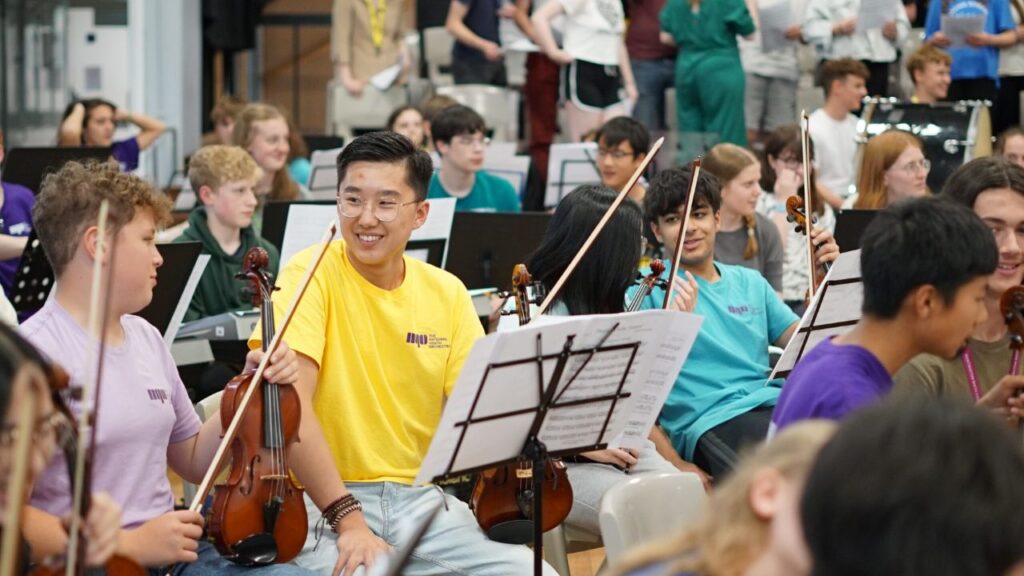
Youth movements in Britain shaped by class identity and social background
Youth movements in Britain were deeply influenced by class divisions that defined everyday life for young people. Working-class youths in industrial towns and inner cities often formed tight-knit cultures as a response to limited economic opportunities and social exclusion. These groups created distinct styles, attitudes, and meeting spaces that separated them from middle-class norms. Clothing choices, hairstyles, and slang became markers of belonging, signalling pride in local identity and shared struggle. Across Britain, class-driven youth movements allowed young people to assert control over their lives, challenge stereotypes, and push back against institutions they felt ignored their realities.
 UK Pension Rule Change 2026: New Conditions Announced That Could Affect Your Weekly Pension Payments
British youth culture and the role of music in collective expression
Music played a central role in shaping British youth culture, acting as both a unifying force and a form of protest. Genres emerging in the UK often spoke directly to young people’s frustrations, hopes, and lived experiences. Live gigs, dance halls, and local venues became spaces where youths could gather freely and express themselves without adult control. Music scenes also encouraged creativity, from DIY bands to independent record labels. For many young Britons, music was not just entertainment but a language through which identity, class consciousness, and political awareness were communicated.

| Youth Movement | Key Music Influence | Primary Social Background |
|---|---|---|
| Teddy Boys | Early rock and roll | Working-class urban youth |
| Mods | Soul and modern jazz | Young city professionals |
| Punks | Punk rock | Disaffected British youth |
| Rude Boys | Ska and reggae | Caribbean-British communities |
Creative expression among young people across the United Kingdom
Across the United Kingdom, youth movements used creative expression to redefine social norms and challenge authority. Fashion became symbolic, turning everyday clothing into political statements. Public spaces such as streets, clubs, and parks were transformed into stages for visibility and resistance. These movements also fostered solidarity across ethnic and cultural lines, especially in diverse cities. While often criticised or misunderstood by mainstream society, youth cultures pushed conversations around race, class, and freedom forward. Their influence extended beyond youth, reshaping British media, fashion industries, and popular attitudes over time.
Legacy of British youth movements in modern UK society
The legacy of British youth movements remains visible in modern UK society through music festivals, street fashion, and ongoing debates about youth identity. Many ideas that once seemed radical, such as self-expression and cultural diversity, are now widely accepted. Contemporary youth cultures continue to draw inspiration from earlier movements while adapting to digital platforms and global influences. For young people in Britain today, these historical movements provide a sense of continuity and inspiration, showing how creativity and collective action can influence social change.
Frequently Asked Questions (FAQs)

1. Why were class differences important in British youth movements?
Class differences shaped identity, opportunities, and the shared experiences that united young people into distinct movements.
2. How did music influence youth culture in the UK?
Music gave young people a voice, helped build communities, and expressed emotions tied to social and economic conditions.
3. Were British youth movements political?
Many were indirectly political, using style and music to challenge authority and social expectations.
4. Do these youth movements still matter today?
Yes, they continue to influence modern fashion, music, and discussions about youth identity in Britain.