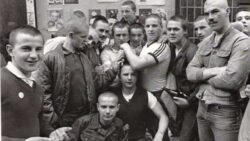
Working Class Identity – Working-class identity has played a decisive role in shaping British youth subcultures, influencing music, fashion, language, and attitudes toward authority. In the United Kingdom, young people from industrial towns and urban neighbourhoods often used subcultures as a way to express pride, resistance, and belonging during times of economic and social change. From post-war Britain to the late twentieth century, these movements reflected everyday struggles, class consciousness, and local community values. Understanding how working-class identity shaped British youth subcultures helps explain why these groups emerged, how they evolved, and why their influence remains visible across Britain today.
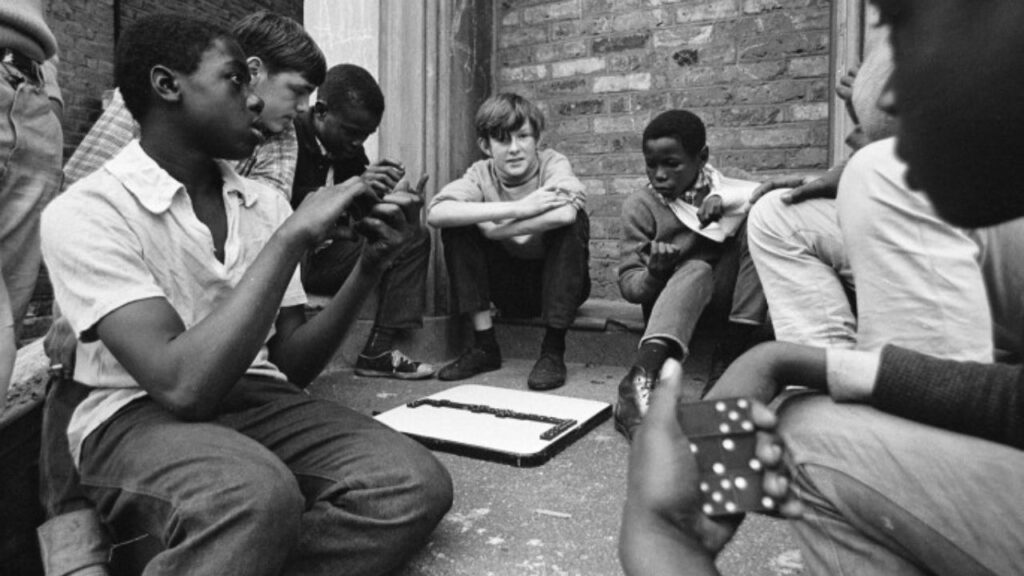
Working-Class Youth Culture and Britain’s Social Landscape
Working-class youth culture in Britain developed against a backdrop of factory labour, council housing, and limited social mobility. For many British teenagers, subcultures became a way to carve out identity in a society that often marginalised them. Music scenes, clothing styles, and shared rituals allowed young people across the UK to challenge middle-class norms and express frustration with economic inequality. These movements were not simply about rebellion but about solidarity and pride in local roots. Across Britain, youth culture became a social language through which working-class communities could be seen and heard.

British Subcultures Shaped by Class Identity in the UK
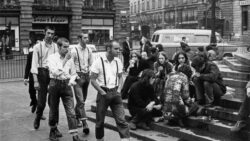
British subcultures such as mods, skinheads, and punks were deeply connected to working-class identity in the UK. Each group reflected the realities of its time, whether it was post-war consumerism or industrial decline. Clothing choices, music preferences, and even hairstyles became symbols of class belonging. For many young people in England, Scotland, and Wales, these subcultures offered a sense of power and visibility. They transformed everyday working-class experiences into cultural statements that resonated far beyond local streets and estates.
| Youth Subculture | Period in Britain | Key Working-Class Influence |
|---|---|---|
| Mods | 1960s | Urban jobs and consumer pride |
| Skinheads | Late 1960s–1970s | Industrial labour and local identity |
| Punks | Late 1970s | Economic frustration and protest |
| Teddy Boys | 1950s | Post-war working youth expression |
How Class-Based Expression Spread Across the UK
As media coverage expanded across the UK, working-class youth subcultures began to influence mainstream British culture. What started in specific neighbourhoods soon appeared in national music charts, fashion trends, and television. Young people from similar economic backgrounds recognised shared struggles and adopted these styles as symbols of unity. Across the United Kingdom, class-based expression moved from local scenes to national conversations, shaping how British society viewed youth, class, and cultural resistance.
Lasting Impact on British Society and Youth Identity
The legacy of working-class youth movements continues to shape modern British identity. In contemporary Britain, elements of these subcultures remain visible in music, street fashion, and political expression. Young people still draw on past movements to articulate concerns about inequality and opportunity. For many communities across the UK, these subcultures are remembered not just as trends but as meaningful responses to social conditions that defined generations of British youth.
Frequently Asked Questions (FAQs)

1. Why was working-class identity important in British youth subcultures?
It gave young people in Britain a way to express pride, solidarity, and resistance.
2. Which British subcultures were most linked to working-class life?
Mods, skinheads, punks, and Teddy Boys were strongly connected to working-class communities.
3. Did these subcultures influence mainstream British culture?
Yes, their music, fashion, and attitudes spread widely across the UK.
4. Do working-class youth subcultures still matter in Britain today?
They continue to influence modern youth identity and cultural expression.