True Origins of Skinhead Culture – The true origins of skinhead culture are often misunderstood due to decades of media stereotypes and oversimplified portrayals. Emerging in the late 1960s, this subculture developed from working-class youth movements rooted in music, fashion, and identity rather than hate or extremism. In the United Kingdom, skinhead culture grew alongside ska, rocksteady, and early reggae influences, reflecting multicultural urban life. Understanding its real beginnings helps separate historical facts from later distortions, offering readers a clearer picture of how British youth culture evolved and why skinhead identity originally symbolised unity, class pride, and street-level authenticity.
Early Skinhead Movement History in the United Kingdom
The early skinhead movement in the United Kingdom emerged from the convergence of mod culture and Caribbean immigrant influences during the late 1960s. British working-class youths adopted cropped hair, sturdy boots, and practical clothing as symbols of pride and resilience. Music played a central role, with ska, rocksteady, and soul soundtracking everyday life in English industrial towns. Contrary to popular belief, race was not a defining factor in the original scene. Instead, the movement reflected shared social spaces, factory jobs, and youth clubs across Britain, creating a cultural identity grounded in class solidarity and music-driven community.
Skinhead Cultural Roots Across Britain’s Urban Communities
Across Britain’s urban centres, skinhead cultural roots were closely tied to economic realities and shared neighbourhood experiences. Young people from London, Birmingham, and Manchester embraced the style as a rejection of middle-class fashion trends. Jamaican sound systems, dance halls, and record shops shaped musical tastes, reinforcing multicultural interaction. This phase of skinhead culture in the UK was largely apolitical, focused on music, football, and social belonging. Media narratives later blurred these origins, but historically, the movement reflected everyday life among British youths navigating post-war change and limited economic opportunity.

| Aspect | Original Skinhead Culture |
|---|---|
| Time Period | Late 1960s to early 1970s |
| Primary Location | Urban United Kingdom |
| Main Music Influences | Ska, rocksteady, soul |
| Core Values | Working-class pride, unity |
| Fashion Symbols | Boots, braces, cropped hair |
Media Misrepresentation of Skinhead Identity in England
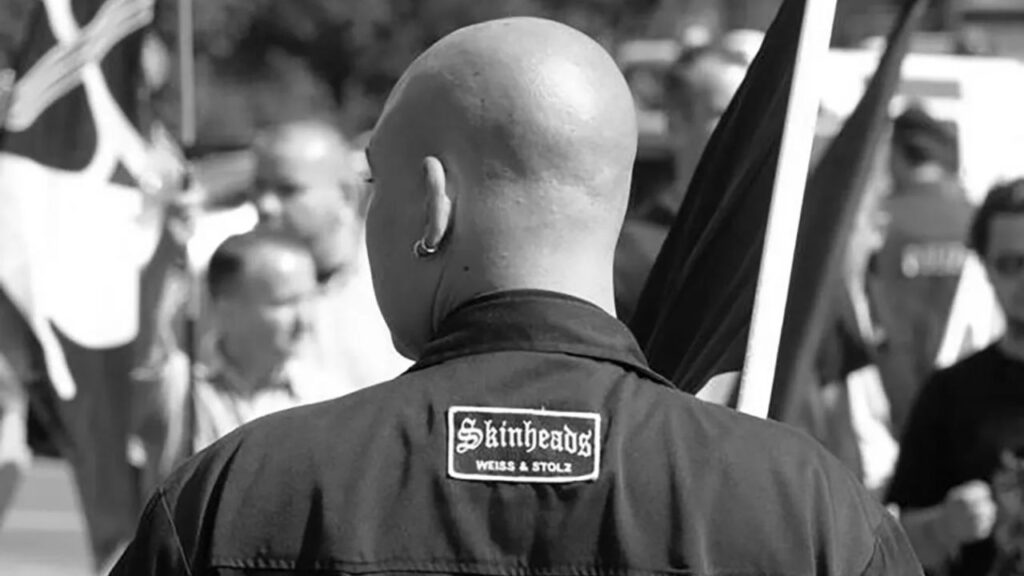
In England, media misrepresentation significantly altered public understanding of skinhead identity from the late 1970s onward. Sensational headlines increasingly linked the look to political extremism, overshadowing its earlier cultural foundations. This shift coincided with fringe groups adopting the aesthetic for unrelated ideological purposes. As a result, the British public began associating skinheads with violence rather than music or class expression. These portrayals ignored the diversity within the scene and erased its multicultural roots, reinforcing stereotypes that persist today despite historical evidence to the contrary.
Reclaiming Authentic Skinhead History for UK Audiences
Reclaiming authentic skinhead history is increasingly important for UK audiences seeking accurate cultural understanding. Historians, musicians, and former participants have highlighted the original values of inclusion, music appreciation, and working-class representation. By revisiting oral histories and archival records across the United Kingdom, a more balanced narrative emerges. This perspective helps younger generations differentiate between the original subculture and later distortions. A clearer understanding supports broader discussions about how youth movements evolve and how media framing can permanently reshape public perception.
Frequently Asked Questions (FAQs)

1. Did skinhead culture start as a racist movement?
No, early skinhead culture in the UK was multicultural and centred on music and class identity.
2. What music influenced original skinheads in Britain?
Ska, rocksteady, reggae, and soul were key influences across British cities.
3. When did negative stereotypes about skinheads emerge?
Negative media portrayals increased from the late 1970s onward.
4. Is skinhead culture still present in the UK today?
Yes, some groups continue to preserve its original musical and cultural roots.