
Trojan Skinhead Legacy – The story of Trojan Skinhead Legacy explores how reggae music shaped early skinhead identity during a transformative era in Britain. Emerging in the late 1960s, the original skinhead movement was deeply connected to Jamaican music, immigrant communities, and working-class youth culture. In the United Kingdom, ska and reggae records imported through labels like Trojan Records became the soundtrack of urban life, influencing fashion, attitude, and social belonging. This article explains how reggae roots defined the first generation of skinheads, separating their cultural origins from later political distortions, while highlighting the music-driven identity that once united British youth across communities.
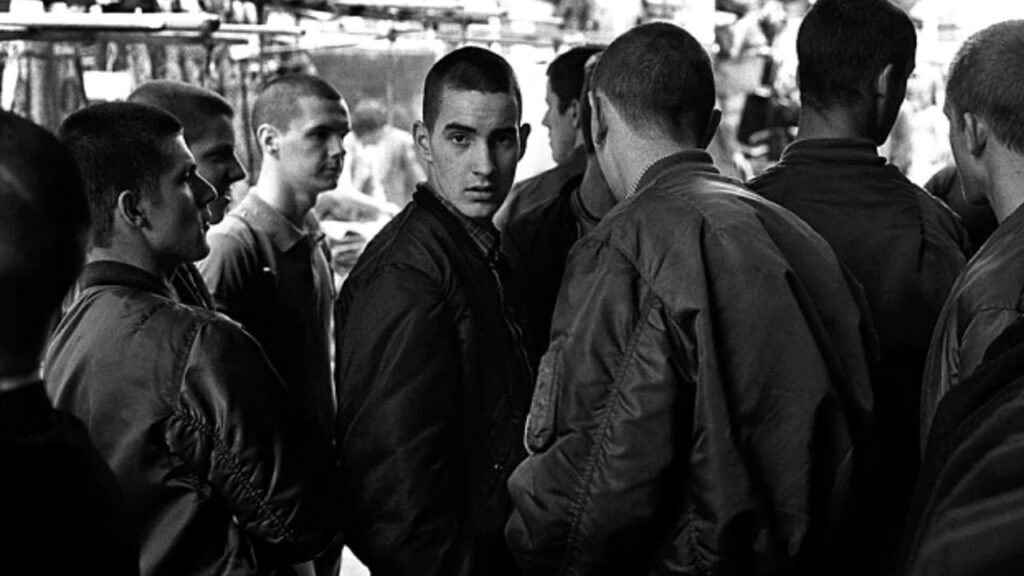
Trojan Skinhead Legacy and Reggae Influence in the United Kingdom
In the United Kingdom, the Trojan Skinhead legacy is inseparable from reggae’s rise within working-class neighborhoods. Young Britons were drawn to the heavy basslines and socially grounded lyrics of Jamaican music, which resonated with everyday realities in post-war cities. Reggae clubs, sound systems, and record shops became shared spaces where cultural exchange flourished. Early skinheads embraced cropped hair, boots, and braces not as symbols of division, but as practical fashion tied to labor culture. For British youth, reggae offered identity, rhythm, and belonging, helping shape a movement rooted in music appreciation rather than ideology or politics.

Early Skinhead Identity Shaped by Jamaican Reggae Across Britain
Across Britain, early skinhead identity evolved through close contact with Jamaican migrants who brought ska, rocksteady, and reggae traditions. These genres dominated dancehalls and local parties, influencing how young people expressed solidarity and style. The Trojan Records catalogue played a major role, making Caribbean sounds accessible to English audiences. Skinheads proudly collected vinyl, followed sound system culture, and attended live performances. This shared musical environment fostered mutual respect between communities, challenging later stereotypes. In its original form, the skinhead movement reflected cultural blending, where reggae rhythms defined social life rather than exclusion or hostility.

| Aspect | Role in Early Skinhead Culture |
|---|---|
| Music Style | Reggae, ska, and rocksteady dominated youth scenes |
| Record Labels | Trojan Records popularised Jamaican music in Britain |
| Fashion | Functional clothing linked to working-class life |
| Community Spaces | Dancehalls and sound systems encouraged cultural mixing |
| Core Identity | Music-driven unity rather than political expression |
Reggae Roots and Skinhead Heritage Among British Youth
Among British youth, reggae roots became a defining feature of authentic skinhead heritage. The music’s steady tempo and bass-heavy sound reflected urban life and appealed to those seeking authenticity and resilience. Reggae lyrics often addressed struggle, pride, and social awareness, themes that resonated strongly with young listeners in England’s industrial towns. This connection helped cement reggae as more than entertainment; it was a cultural anchor. Understanding this heritage is essential to separating original skinhead culture from later reinterpretations, ensuring that the movement’s musical foundations are accurately recognised within British social history.
Trojan Records and Cultural Exchange in British Society
Within British society, Trojan Records became a bridge between Jamaican artistry and local audiences. By distributing reggae nationwide, the label allowed Caribbean musicians to influence mainstream youth culture. Record sleeves, charts, and radio play introduced sounds that reshaped clubs and fashion trends. This exchange encouraged cross-cultural interaction during a time of social change in the UK. The Trojan Skinhead legacy therefore represents collaboration rather than conflict, showing how music can shape identity positively. Recognising this influence helps modern readers understand the true origins of the movement within Britain’s multicultural landscape.
Frequently Asked Questions (FAQs)
1. Was early skinhead culture linked to reggae music?
Yes, early skinhead culture was strongly influenced by reggae, ska, and rocksteady music.
2. What role did Trojan Records play in Britain?
Trojan Records helped popularise Jamaican music among British youth.
3. Did original skinheads have political motivations?
No, the original movement was mainly cultural and music-focused.
4. Why is the Trojan Skinhead legacy important today?
It helps clarify the true, music-based origins of early skinhead identity.
