Skinhead Clothing and Apparel – The topic of skinhead clothing and apparel explores the deeper meaning behind a style that emerged from working-class culture and youth identity. In the United Kingdom, this fashion movement developed as more than just a look, reflecting attitudes toward music, community, and social belonging. From sturdy boots to tailored shirts, each item carried practical and symbolic value. Today, many people across the UK search for clear explanations separating the original cultural roots of skinhead fashion from later misconceptions. Understanding the history behind these clothes helps readers see how style, identity, and society became closely linked.
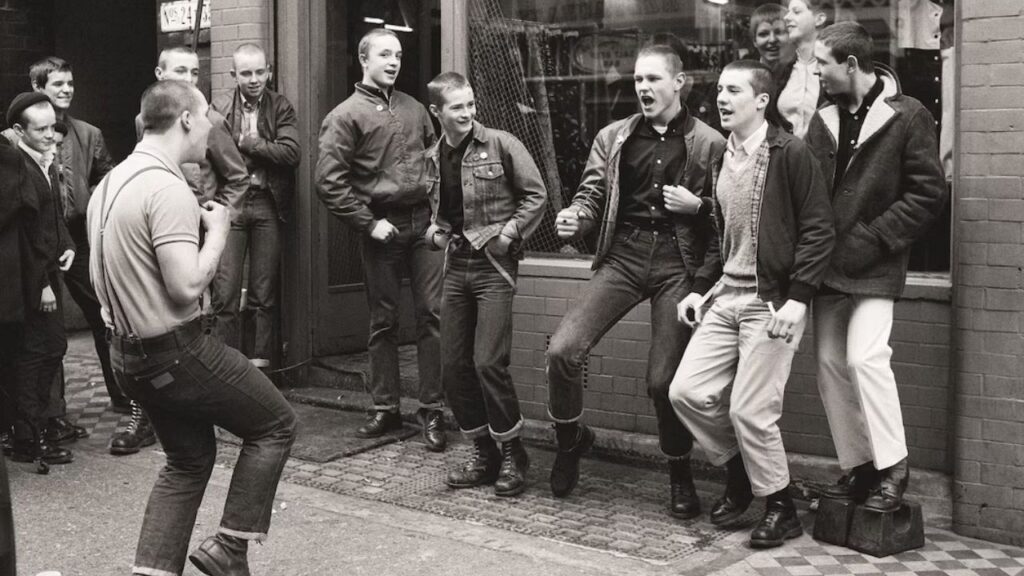
Skinhead clothing style origins in the United Kingdom
The skinhead clothing style in the United Kingdom first appeared in the late 1960s among working-class British youth. Influenced by Mod fashion and Jamaican rude boy culture, early skinheads adopted clean, functional clothing suited for factory work and urban life. Items like button-down shirts, braces, straight-leg jeans, and heavy boots symbolized pride in labor, discipline, and community. For many British youths, this look was not about rebellion through excess but about order and unity. Music scenes such as ska and early reggae also shaped the aesthetic, making clothing a visible expression of shared taste and social identity across England’s industrial towns.

Meaning behind skinhead apparel for UK youth culture
The meaning behind skinhead apparel for UK youth went far beyond appearance. Clothing acted as a badge of belonging, signaling loyalty to a group shaped by class awareness and street-level solidarity. Well-polished boots and neatly worn shirts reflected respectability and toughness at the same time. Among young people in Britain, this uniform helped distinguish them from other subcultures like hippies or punks. Over time, different factions adopted variations of the style, but the original intent remained rooted in working-class pride. Understanding this context is essential for readers across Britain seeking an accurate explanation of what the style originally represented.

| Clothing Item | Purpose | Symbolic Meaning |
|---|---|---|
| Work Boots | Durability and protection | Strength and working-class pride |
| Button-Down Shirts | Neat everyday wear | Discipline and order |
| Braces (Suspenders) | Practical support | Connection to labor culture |
| Straight-Leg Jeans | Work-friendly clothing | Simplicity and unity |
Evolution of skinhead fashion across Britain
As time passed, skinhead fashion across Britain evolved and branched into multiple interpretations. While the original look was tightly defined, later generations adapted colors, fits, and accessories to match new music scenes such as punk, Oi!, and street rock. Some changes led to confusion and controversy, especially when extremist groups misused the style for political messaging. However, many UK enthusiasts continue to preserve the traditional clothing standards, emphasizing cultural history rather than ideology. For modern British audiences, learning about this evolution helps separate authentic fashion heritage from later distortions of the skinhead image.
Skinhead apparel symbolism in modern UK society
In modern UK society, skinhead apparel symbolism is often discussed with greater nuance than in the past. Fashion historians and cultural writers now highlight its multicultural roots and working-class beginnings. Contemporary wearers may adopt the style for its sharp, minimalist look or as a tribute to ska and reggae heritage. Across the United Kingdom, vintage clothing shops and music events keep these traditions alive in a more inclusive context. By understanding the symbolism behind the clothes, readers can better appreciate how fashion reflects social history rather than judging it solely through stereotypes.
Frequently Asked Questions (FAQs)

1. Is skinhead clothing originally linked to British culture?
Yes, the style originated in the United Kingdom among working-class youth in the late 1960s.
2. Do skinhead clothes have political meaning?
Originally, the clothing was about class identity and music culture, not politics.
3. Are skinhead fashion and extremism the same?
No, extremist associations came later and do not represent the original culture.
4. Why are boots important in skinhead apparel?
Boots symbolized durability, work ethic, and pride in manual labor.