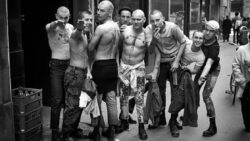
Sharp Skinhead Movement – The Sharp Skinhead Movement, often misunderstood by outsiders, represents a strong anti-racist tradition within global skinhead culture. Emerging as a response to extremist hijacking of the skinhead image, this movement has long promoted unity, working-class pride, and multicultural respect. In the United Kingdom, where skinhead culture first took shape, Sharp skinheads played a crucial role in reclaiming the style’s original values. Today, the movement continues to influence music, fashion, and grassroots activism, offering an alternative narrative that challenges stereotypes while highlighting the diversity and social awareness embedded in authentic skinhead history.
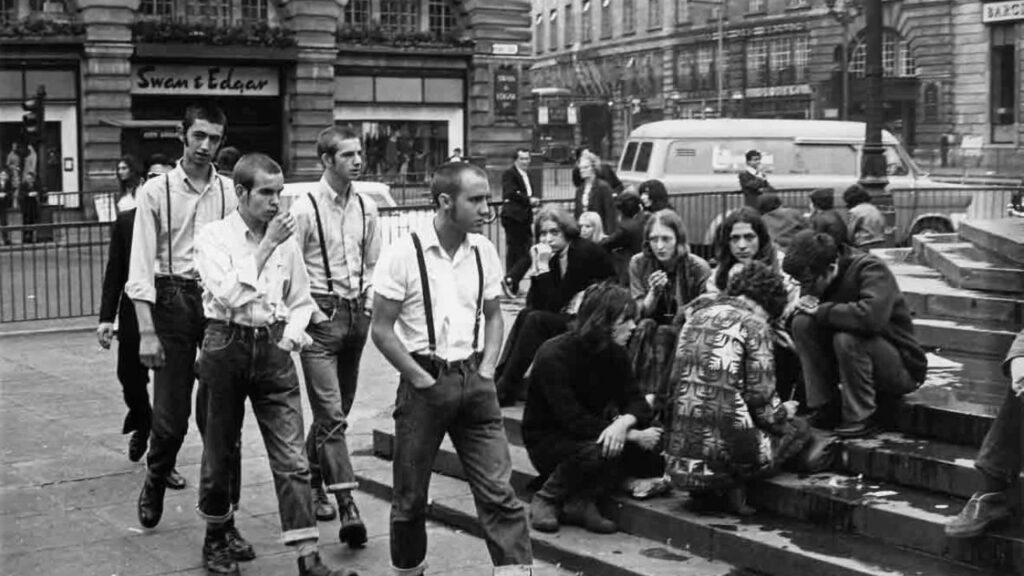
Sharp Skinhead Movement History in the United Kingdom
The Sharp Skinhead Movement in the United Kingdom developed during the late 1980s as a clear rejection of racism and far-right politics. British skinheads who aligned with Sharp wanted to protect the roots of the culture, which were deeply influenced by Jamaican ska, rocksteady, and reggae music. Across England and other parts of the UK, these individuals organised gigs, produced zines, and built networks that openly opposed neo-Nazi groups. By emphasising working-class solidarity and multicultural friendships, Sharp skinheads in Britain reshaped public understanding, showing that skinhead identity was never inherently racist but instead grounded in shared urban experiences.

Anti-Racist Skinhead Culture Among British Communities
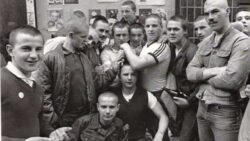
Anti-racist skinhead culture has remained visible among British communities through music scenes, local activism, and everyday street presence. In cities such as London, Manchester, and Birmingham, Sharp-aligned skinheads supported inclusive concerts and community events that welcomed people of different ethnic backgrounds. This approach reinforced the idea that skinhead culture belonged to all working-class youth, regardless of race. For many in Britain, adopting the Sharp identity became a political statement against hate, using style and music as tools to resist division while preserving the original spirit of skinhead culture.
| Aspect | Details |
|---|---|
| Origin Period | Late 1980s |
| Core Belief | Anti-racism and unity |
| Main Influence | Ska, reggae, working-class culture |
| Key Regions | UK, Europe, North America |
Sharp Identity and Activism Across Britain
Across Britain, the Sharp identity became closely tied to activism that extended beyond music and fashion. Many Sharp skinheads participated in anti-fascist demonstrations, charity gigs, and awareness campaigns aimed at countering racist propaganda. This activism helped separate Sharp skinheads from extremist groups that attempted to use similar aesthetics. In the UK context, being Sharp often meant standing visibly against discrimination in everyday life, from football terraces to neighbourhood streets. The movement’s continued presence highlights how subcultures can evolve into platforms for social responsibility.
Skinhead Music and Anti-Racist Messages in the UK Scene
Music has always been central to spreading anti-racist messages within the UK skinhead scene. Bands associated with Sharp values blended punk energy with ska and reggae rhythms, reflecting multicultural roots. Lyrics frequently addressed class struggles, unity, and opposition to hate-based politics. For British audiences, these musical spaces became safe environments where diversity was normalised rather than challenged. Through concerts and independent labels, Sharp-influenced music helped educate younger generations of UK skinheads about the true origins of the culture.
Frequently Asked Questions (FAQs)
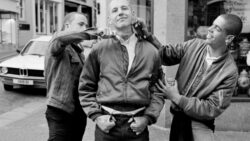
1. Is the Sharp Skinhead Movement racist?
No, the Sharp Skinhead Movement is explicitly anti-racist and opposes extremist ideologies.
2. Did skinhead culture originate in the UK?
Yes, skinhead culture began in the United Kingdom during the late 1960s.
3. What does “Sharp” stand for?
Sharp stands for “Skinheads Against Racial Prejudice.”
4. Is the Sharp movement still active today?
Yes, Sharp skinheads remain active globally through music, activism, and community events.