
Oi Skinhead Culture – Oi skinhead culture is a distinctive working-class movement that emerged in Britain during the late 1970s, blending raw music, street identity, and a strong sense of local belonging. Rooted in urban neighbourhoods across England, the scene grew out of economic hardship, youth unemployment, and frustration felt by many young people. Oi music became the voice of British working-class youth, reflecting everyday struggles, pride, and solidarity. Over time, Oi skinhead culture developed into more than a musical style, shaping community bonds, fashion choices, and social attitudes that remain influential in British cultural history.
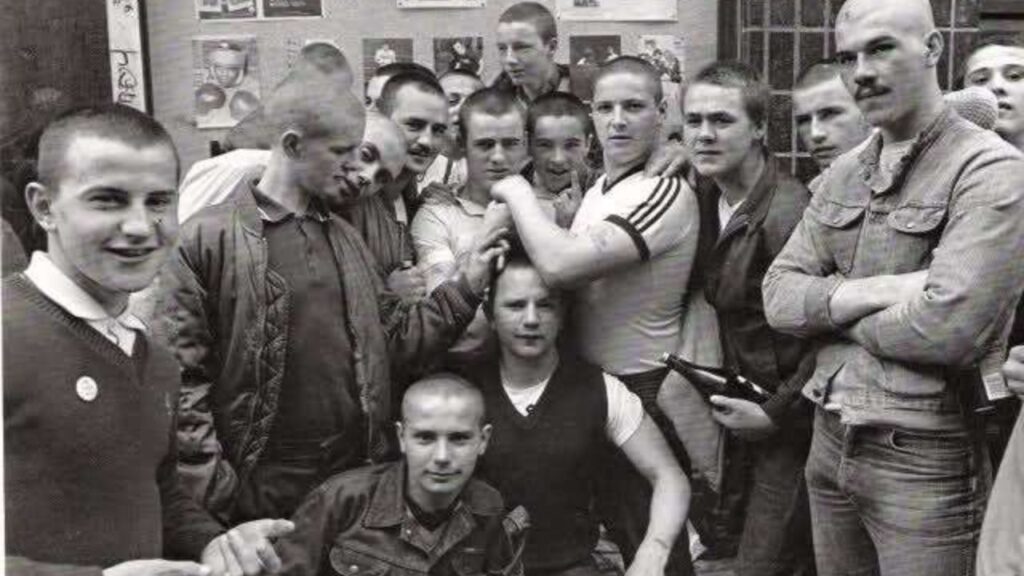
Oi Skinhead Music and Working-Class Identity in Britain
Oi skinhead music in Britain developed as a reaction against commercialised punk, bringing songs back to everyday working-class experiences. Bands wrote lyrics about jobs, football loyalty, social pressure, and pride in local communities. For many British youths, this music reflected real life rather than fantasy, making it deeply relatable. The sound was direct, loud, and accessible, mirroring the straightforward attitudes of working-class neighbourhoods. Across Britain, Oi music scenes often formed around local pubs, football grounds, and community halls, reinforcing shared identity. This strong connection between music and class helped Oi skinhead culture become a lasting symbol of British working-class expression.

Social Class and Youth Expression Among English Skinheads
Among English youth, Oi skinhead culture became a visible way to express class awareness and resistance to social exclusion. Many participants came from areas affected by factory closures and limited opportunities, especially during the late twentieth century. Skinhead style, including boots and simple clothing, rejected flashy trends and highlighted pride in practicality. In England, this culture allowed young people to feel recognised within their communities, even when wider society overlooked them. While often misunderstood, the movement was rooted in shared experiences of hardship, friendship, and loyalty, making it a powerful form of youth expression tied closely to social class realities.

| Aspect | Role in Oi Skinhead Culture |
|---|---|
| Music | Expressed working-class life and social concerns |
| Fashion | Symbolised practicality and class identity |
| Community | Created local belonging and shared values |
| Youth Culture | Offered identity during economic uncertainty |
| Legacy | Influenced later British music and subcultures |
Community Bonds Within Oi Skinhead Scenes Across the UK
Across the United Kingdom, Oi skinhead culture fostered tight-knit communities built on shared values and mutual support. Local scenes often revolved around live gigs, football matches, and neighbourhood meeting spots. These spaces allowed people to connect beyond music, forming friendships that extended into daily life. In many UK towns, Oi culture helped young people feel protected and understood during uncertain social times. Although often portrayed negatively, the community aspect focused on loyalty, respect, and collective identity. This sense of belonging explains why Oi skinhead culture continues to be discussed in British cultural history today.
British Cultural Legacy of Oi Skinhead Movements
The cultural legacy of Oi skinhead movements remains visible in modern British music and youth identity. Elements of the Oi sound influenced later punk, street rock, and alternative scenes across the UK. Beyond music, the movement highlighted the importance of class awareness and local pride in British society. Many historians view Oi culture as a social response rather than simply a music trend. In Britain, discussions around Oi skinheads now focus more on their historical context, creative output, and impact on community-building, offering a more balanced understanding of their place in cultural history.
Frequently Asked Questions (FAQs)
1. What does Oi mean in Oi skinhead culture?
Oi is a slang expression used to get attention and became the name of the music style.
2. Was Oi skinhead culture only about music?
No, it also included fashion, community identity, and working-class values.
3. Did Oi skinhead culture exist across all of Britain?
Yes, it appeared in many English cities and spread across the UK.
4. Is Oi skinhead culture still relevant today?
Its influence remains through music, fashion, and discussions of class and community.
