Jeans Boots and Braces – Skinhead fashion has long been one of the most recognisable youth styles to emerge from post-war Britain, blending working-class pride with sharp visual identity. From cropped hair to polished footwear, skinhead attire developed as a statement of belonging rather than rebellion alone. In the United Kingdom, this look reflected economic realities, music influences, and street culture during the 1960s and beyond. Understanding the origins of jeans, boots, and braces helps explain how clothing became a cultural language, shaping how British youth expressed identity, solidarity, and resistance across different generations.
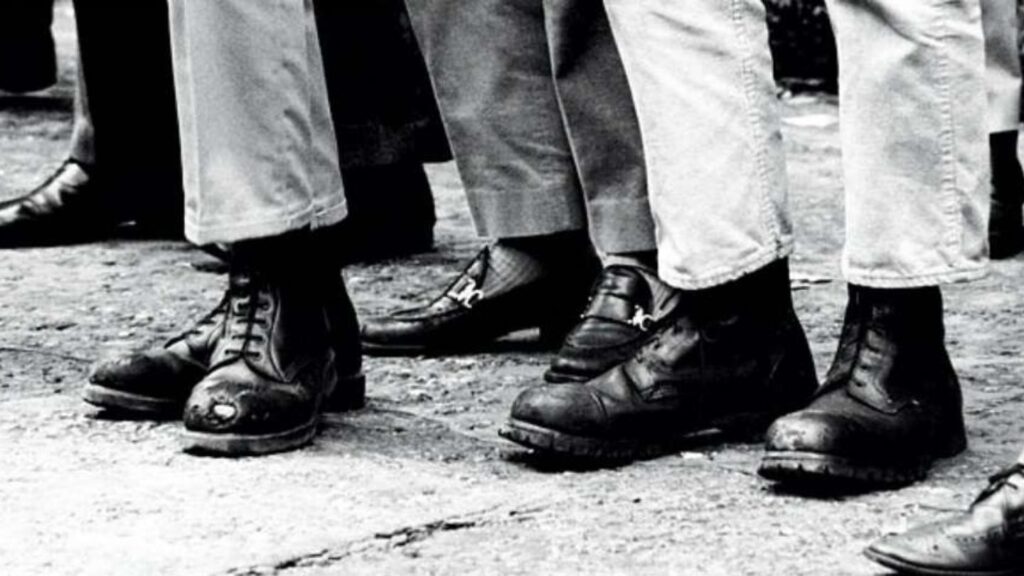
Jeans, Boots, and Braces in Britain’s Skinhead Fashion Roots
The early skinhead look in Britain was deeply tied to practicality and affordability, making jeans, boots, and braces essential elements. British skinhead fashion drew inspiration from working-class uniforms, where durability mattered more than decoration. Straight-leg denim jeans were favoured for their toughness, while heavy boots protected feet in factory and dockyard environments. Braces replaced belts as a functional accessory, keeping trousers secure during long workdays. Across England and industrial cities, this clothing combination reflected pride in labour and community. Rather than chasing trends, UK skinheads adopted attire that symbolised discipline, masculinity, and reliability, turning everyday workwear into a powerful cultural statement.

Evolution of Skinhead Attire Among UK Youth Subcultures
As skinhead culture spread among UK youth, attire began to evolve beyond its purely functional roots. British teenagers adapted the original look to suit social gatherings, music venues, and street life. Denim styles became sharper, boots more polished, and braces worn visibly as symbols of identity. Across the United Kingdom, regional variations emerged, influenced by local music scenes such as ska, reggae, and later punk. This evolution showed how skinhead attire balanced tradition with self-expression. While the core elements remained consistent, young people in Britain reshaped the style to reflect changing attitudes, ensuring the look stayed relevant across decades.
 Why you should always put two clean tennis balls in the dryer with your bulky down comforter
| Clothing Item | Purpose | Cultural Meaning |
|---|---|---|
| Jeans | Durable everyday wear | Working-class identity |
| Boots | Protection and stability | Strength and resilience |
| Braces | Secure trousers | Discipline and order |
| Shirts | Smart casual appearance | Clean-cut presentation |
| Jackets | Weather protection | Street-ready practicality |
Meaning of Skinhead Clothing Across the United Kingdom
In the wider UK context, skinhead clothing carried meanings that went far beyond appearance. For many British communities, the attire represented unity, pride, and resistance to social marginalisation. Jeans, boots, and braces became visual markers that instantly communicated belonging. Across Britain, this look also challenged mainstream fashion by rejecting excess and embracing simplicity. Over time, misunderstandings arose as media narratives shifted, but historically, skinhead attire reflected shared experiences rather than ideology alone. Understanding its meaning within the United Kingdom helps separate cultural roots from later misinterpretations, preserving the original context of the style.
Influence of British Music on Skinhead Dress Codes
Music played a crucial role in shaping skinhead dress codes across Britain. Early UK skinheads were closely linked to ska and reggae scenes, where sharp dressing complemented dancehall culture. As musical tastes shifted, so did clothing details, though core items remained unchanged. British bands and local venues reinforced a neat, uniform appearance that contrasted with the chaos of other youth styles. Across England and beyond, music influenced how skinhead attire was worn, styled, and perceived. This connection ensured that clothing remained a living expression of sound, movement, and shared cultural space.
Frequently Asked Questions (FAQs)

1. Why were jeans important in early skinhead fashion?
Jeans were durable, affordable, and practical for working-class life in Britain.
2. What made boots a defining skinhead item?
Boots offered protection, strength, and a bold visual identity.
3. Did skinhead attire originate only in the UK?
The style began in Britain but later influenced youth cultures worldwide.
4. Are braces still associated with skinhead fashion today?
Yes, braces remain a symbolic and traditional part of the original look.