Music That Built a Movement – Music has always played a powerful role in shaping youth identity, resistance, and social movements. In the United Kingdom, genres like ska, reggae, and Oi became far more than entertainment — they acted as cultural engines that gave working-class communities a shared voice. From post-war immigration influences to urban economic struggles, these music styles helped define attitudes, fashion, and street-level solidarity. This article explores how ska, reggae, and Oi music built a movement in the UK, explaining their origins, messages, and lasting influence on British youth culture and social expression.
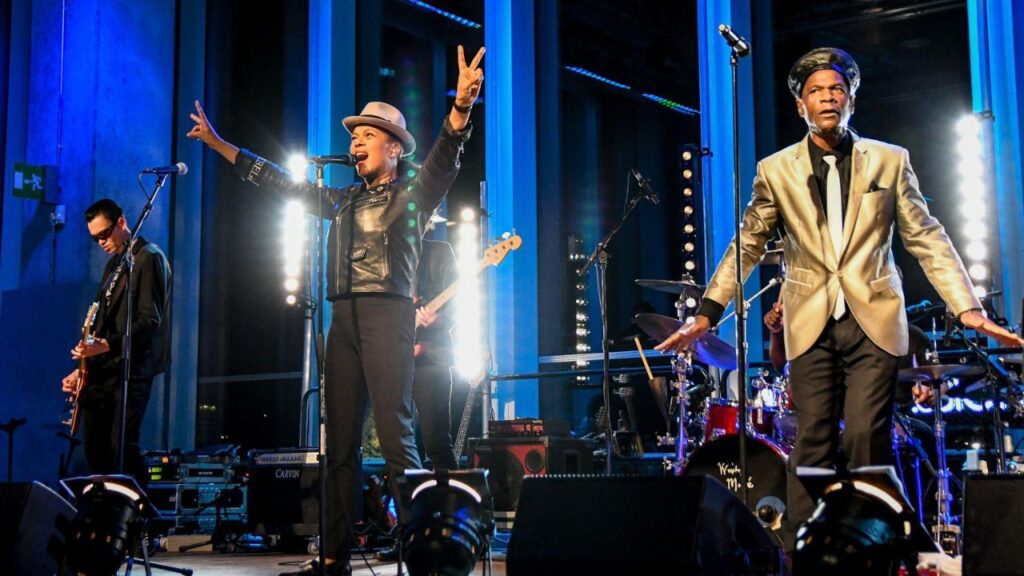
Ska and Reggae Roots Among British Youth Communities
Ska and reggae arrived in the UK during the late 1950s and 1960s, carried by Caribbean immigrants who settled across England’s industrial cities. For young people in Britain, especially working-class communities, this music offered rhythm, optimism, and a sense of belonging during a period of social change. Ska’s upbeat tempo and reggae’s deeper, bass-heavy sound resonated in dance halls and local clubs, uniting Black and white British youth. In the United Kingdom, these genres influenced fashion, language, and attitudes, laying the foundation for multicultural street culture. Beyond music, ska and reggae expressed everyday struggles, identity, and pride, becoming symbols of unity against economic hardship and social exclusion.

Oi Music and the Voice of the UK Working Class
Oi music emerged in late-1970s Britain as a raw, stripped-down form of punk that spoke directly to working-class experiences. Popular among young people across the UK, Oi reflected frustration with unemployment, housing issues, and political neglect. Unlike mainstream rock, Oi music focused on real-life stories from British streets, football terraces, and industrial towns. The genre’s simple chants and aggressive energy made it accessible and powerful. Across the United Kingdom, Oi became a cultural outlet for youth who felt unheard, transforming gigs into communal spaces where identity, loyalty, and resistance were expressed openly through music.

| Genre | Origin Period | Main Audience | Core Themes |
|---|---|---|---|
| Ska | 1960s | British youth | Unity, rhythm, optimism |
| Reggae | 1960s–1970s | UK urban communities | Identity, struggle, pride |
| Oi | Late 1970s | Working-class youth | Resistance, realism |
| Punk Influence | 1970s | Young Britons | Rebellion, anti-elitism |
Cultural Impact of Street Music Across Britain
Across Britain, ska, reggae, and Oi shaped more than playlists — they influenced fashion, language, and everyday attitudes. Braces, boots, shaved hair, and DIY clothing became visible symbols tied to these music scenes. For many people living across the UK, these genres offered identity during periods of economic decline and political tension. Music events doubled as social gatherings where friendships formed and ideas spread. While sometimes misunderstood or politicized, the cultural impact of these styles remains undeniable. They helped define generations of British youth by creating spaces where expression, loyalty, and shared experience could thrive.
Lasting Legacy of Ska, Reggae, and Oi in Modern UK Culture
Today, the influence of ska, reggae, and Oi can still be felt across the UK music scene. Modern bands continue to borrow rhythms, fashion cues, and lyrical honesty from these genres. Festivals, reissues, and tribute nights across the United Kingdom keep the legacy alive for new audiences. More importantly, the values embedded in the music — authenticity, community, and resistance — remain relevant. These genres remind listeners that music can reflect real lives and inspire collective identity. Their lasting presence proves that sound can shape culture long after the original movement fades.
Frequently Asked Questions (FAQs)

1. Why were ska and reggae important in the UK?
They helped unite British youth across cultural backgrounds and expressed shared social experiences.
2. What does Oi music represent?
Oi represents working-class identity, frustration, and realism within UK youth culture.
3. Is Oi music political?
Oi often reflects social issues but is mainly rooted in everyday working-class life.
4. Are these music genres still relevant today?
Yes, their influence continues through modern bands, fashion, and cultural movements.